PRGR Launch Monitor Review (2026)
A 2026 review of the PRGR HS-130A pocket launch monitor: doppler radar accuracy, metrics, who it suits, alternatives, and honest budget tradeoffs based on published specs.
The PRGR HS-130A is the best pocket launch monitor for golfers who just want fast, reliable club head speed, ball speed, smash factor, and distance numbers without an app, a subscription, or a learning curve. At around $200 it is one of the cheapest doppler-radar units in golf, it runs on AAA batteries, and it reads swing speed with or without a ball, which is why speed trainers love it. It will not run a simulator and it does not show spin or launch angle, so set expectations accordingly. Here is our full research-based verdict, the specs, who should buy it, and the alternatives worth comparing.
PRGR HS-130A and Close Alternatives

PRGR HS-130A Portable Golf Launch Monitor
Pocket-sized doppler radar reads club head speed (with or without a ball), ball speed, smash factor, and carry plus total distance. Runs on AAA batteries, no app or Wi-Fi needed.

Voice Caddie SC200Plus Launch Monitor
Step-up portable with a larger built-in display and voice output, tracking carry, swing speed, and smash factor for indoor or outdoor practice.
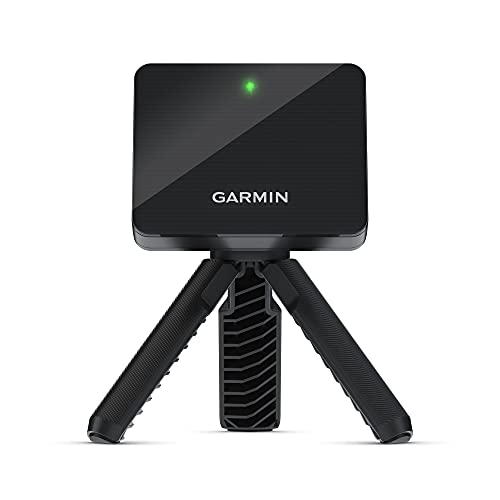
Garmin Approach R10 Portable Launch Monitor
Radar unit that pairs to your phone for ball and club metrics, estimated ball flight, and home simulation on 42,000-plus virtual courses with a subscription.

Shot Scope LM1 Portable Mini Launch Monitor
Compact alternative budget radar that reads ball speed, club speed, smash factor, carry, and distance, with a phone app for logging sessions.
The verdict up front
If you want a no-fuss feedback tool for the range, the garage, or a hitting net, the PRGR HS-130A is an easy recommendation. Drop it down, swing, and read your numbers off the small screen. There is nothing to pair, nothing to charge, and no monthly fee. The tradeoff is scope: this is a speed and distance trainer, not a simulator launch monitor. If your goal is on-screen virtual golf, you want a connected radar or a photometric camera unit instead. For honing speed, checking carry gaps, and getting instant feedback, the PRGR delivers more than its price suggests.
At a glance
| Spec | PRGR HS-130A (approx.) |
|---|---|
| Technology | Doppler radar |
| Metrics | Club head speed, ball speed, smash factor, carry and total distance |
| Swing speed without ball | Yes |
| Power | AAA batteries |
| App or Wi-Fi | None required |
| Memory | About 500 swings |
| Simulator capable | No |
| Street price | Around $200 |
Specs and pricing are approximate and pulled from the manufacturer listing, so treat them as a snapshot that can change.
Accuracy and the data you actually get
The HS-130A uses doppler radar, the same broad approach found in pricier units like the Garmin R10 and FlightScope Mevo, just stripped down to the essentials. It measures the ball coming off the face and your club head speed, then calculates smash factor and estimated distance. Based on published specs and verified owner reviews, it is consistent and trustworthy for those core numbers, which is exactly what you need for speed training and gap work. What it does not capture is spin rate, launch angle, and shot shape, the variables that make full carry numbers truly precise. Because the PRGR estimates carry from speed rather than measuring spin, read its distances as a strong relative guide rather than absolute truth.
For a deeper look at how budget radars stack up against photometric units on accuracy, see our launch monitor comparison chart, which lays out metrics and tradeoffs across price tiers.
Who the PRGR suits
This is the right monitor for speed trainers, range regulars, and anyone building a budget practice setup who values instant feedback over deep analytics. If you follow an overspeed protocol, the no-ball swing speed mode alone can justify the purchase. It is also a smart first launch monitor for a new simulator owner who is still hitting into a net and wants to learn their speeds and gaps before stepping up to a connected unit. If you want to play virtual courses on a screen, this is not your device, and you should plan a different launch monitor into your build from the start.
Pros and cons
- Pros: very affordable for radar, fully standalone, reads swing speed with or without a ball, AAA batteries, simple and durable, no subscription.
- Cons: no spin or launch angle, distances are estimated, cannot run a simulator, small screen, needs ball-flight room to read well.
Alternatives worth comparing
The Voice Caddie SC200Plus is a close budget rival with a larger display and voice output if you prefer a bigger readout. The Shot Scope LM1 sits at a similar price and adds a phone app for logging. If you can stretch the budget and want home simulation, the Garmin Approach R10 is the natural step up: it adds spin, launch angle, automatic shot video, and on-screen virtual courses through its app and a subscription. For a full list of sub-$1,000 options, read our guide to the best launch monitors under $1,000, and for premium picks see the best launch monitors overall.
How we chose
We did not hit balls with this unit in a lab. Our assessment is based on the manufacturer's published specifications and a careful read of verified owner reviews, plus how the PRGR compares against units in the same category on metrics, connectivity, and price. We weighed what the device actually measures against what its marketing implies, and we flagged the gaps (no spin, no launch angle, estimated carry) honestly. Numbers in this review are manufacturer figures and should be treated as approximate.
Buying tips
Decide first whether you need simulation. If you want virtual courses on a screen, skip the PRGR and budget for a connected unit. If you want speed and distance feedback, the HS-130A is hard to beat for the money. Make sure your space has depth for the radar to read, a net or screen a few feet out works well, and confirm your room can handle a full swing using our golf sim room size calculator. Keep spare AAA batteries on hand, place the unit square to your target line, and use the no-ball mode for structured speed work between full-swing sessions.
Golf Sim Build Planner
Room-fit worksheet, gear checklist, budget tracker, and wiring and lighting plan, in one printable planner that takes your build from idea to first swing.
Frequently Asked Questions
Is the PRGR HS-130A accurate enough for serious practice?
For the data it reports, owners and reviewers find the PRGR consistent and useful, especially for club head speed and ball speed. It is a doppler radar designed for speed training and distance feedback, not a full simulator package. Treat its carry numbers as a reliable relative gauge for dialing in clubs and gaps rather than tour-lab precision. All figures here come from published specs and verified owner reviews, since we did not test it in person.
Can the PRGR launch monitor run a golf simulator?
No. The HS-130A is a standalone speed and distance trainer with a small built-in screen. It has no Wi-Fi, Bluetooth, or app, so it cannot feed a simulator like GSPro or E6 Connect. If you want on-screen virtual courses at home, look at a connected radar such as the Garmin Approach R10 or a photometric unit instead. The PRGR shines as a simple, instant-feedback tool you set down and read.
Does the PRGR measure club head speed without a ball?
Yes, and that is one of its standout features. It reads club head speed in a dedicated mode whether or not you actually hit a ball, which makes it popular for speed-training programs and overspeed work. It also reads ball speed and smash factor when you do strike a ball, so you can track both the input (swing speed) and the result (ball speed and efficiency) in one pocket-sized device.
What metrics does the PRGR HS-130A show?
The HS-130A reports club head speed, ball speed, smash factor, and estimated carry plus total distance. It stores roughly 500 past swings in memory so you can review a session. It does not measure spin rate, launch angle, or shot shape, which are the metrics that separate budget radars from premium photometric units. For speed and distance feedback at a low price, that core data set covers most practice needs.
How does the PRGR compare to the Garmin Approach R10?
The PRGR is cheaper, simpler, and works fully standalone with no phone or subscription. The Garmin R10 costs more but adds spin, launch angle, club path, automatic shot video through its app, and home simulation on thousands of virtual courses with a membership. Choose the PRGR if you want quick speed and distance numbers, and the R10 if you want app-based shot tracking and on-screen play.
Where should I set up the PRGR for the best readings?
Position the unit on the ground a couple of feet behind the ball, square to your target line, per the manufacturer setup. Doppler radar needs a bit of ball flight to read well, so it performs best hitting into a net or screen with enough depth, or outdoors. Indoors, make sure your space has room for a full swing and ball travel. Our room size calculator helps you confirm you have the depth to use it well.
Building a golf sim?
Use our free calculators and guides to size the room, the gear, and the budget.
Build Planner: $39