Launch Monitor Comparison Chart
Launch monitor comparison chart: Garmin R10, Rapsodo MLM2PRO, Mevo Plus, SkyTrak Plus, Bushnell Launch Pro, Foresight GCQuad, and Trackman by tech, price, data, and space.
The popular home and prosumer launch monitors split into two camps: radar (doppler) units like the Garmin R10, Rapsodo MLM2PRO, FlightScope Mevo Plus, and Trackman, and photometric (camera) units like the SkyTrak Plus, Bushnell Launch Pro, and Foresight GCQuad. Radar units want depth to see ball flight, while camera units need less room but want good lighting. The chart below compares technology, approximate price, key data, indoor space needs, and software. All prices and specs are approximate and based on published manufacturer information.
Shop these launch monitors
The buyable units from the chart, from the budget R10 to the do-it-all SkyTrak+.
-
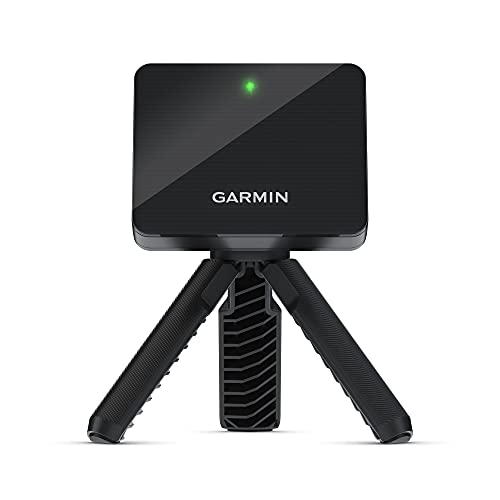 Best Budget Garmin Approach R10 Portable Golf Launch Monitor
Budget radar with app-based ball and club data and long battery life, the entry favorite that also connects to most sim software.
-
 Best Value Rapsodo MLM2PRO Launch Monitor and Simulator
Radar paired with a dual camera that measures spin and captures slow-motion impact video, with bundled simulation play.
-
 Best Portable FlightScope Mevo Portable Personal Launch Monitor
Pocketable doppler radar that reports eight key metrics plus slow-motion video from a trusted launch monitor name.
-
 Best Overall SkyTrak SkyTrak+ Launch Monitor
Photometric and radar hybrid that balances accuracy with modest room depth and works with GSPro and E6 Connect.
Prices update on Amazon and change often. As an Amazon Associate we earn from qualifying purchases at no extra cost to you.
Launch monitor comparison chart
Prices are approximate and move with sales and new releases. Confirm current pricing before buying.
| Monitor | Technology | Approx. price | Key data | Indoor space need | Software |
|---|---|---|---|---|---|
| Garmin Approach R10 | Radar (doppler) | ~$600 | Ball speed, launch, spin (estimated), club path basics | Moderate to deep, wants ball flight room | Garmin app, E6 Connect, others |
| Rapsodo MLM2PRO | Radar plus dual camera | ~$700 | Ball speed, launch, spin, shot video | Moderate to deep | Rapsodo app, e6, GSPro (via add-ons) |
| FlightScope Mevo Plus | Radar (doppler) | ~$2,000 | Full ball and club data set, many parameters | Deep, benefits from ball flight room | FS Golf, E6, GSPro, TGC |
| SkyTrak Plus | Photometric (camera) plus radar assist | ~$3,000 | Ball data, added club and environment data | Shallow friendly, sits beside the ball | SkyTrak app, E6, GSPro, TGC |
| Bushnell Launch Pro | Photometric (camera) | ~$2,000 to $4,000 (subscription tiers) | Ball data standard, club data via subscription | Shallow friendly | FSX Play, GSPro, E6 |
| Foresight GCQuad | Photometric (quad camera) | ~$11,000 to $15,000 | Full ball and club data, high precision | Shallow friendly, wants good lighting | FSX, FSX Play, third-party support |
| Trackman | Dual radar | ~$20,000+ | Full ball and club data, ball-flight gold standard | Deep, designed for ball flight tracking | Trackman software, GSPro, others |
Radar vs photometric at a glance
The technology choice shapes your room and your data. Radar units track the ball in flight using doppler radio waves, which is why they sit behind you and want depth. Photometric units use high-speed cameras at the moment of impact, sit beside the ball, and fit shallower rooms but want consistent, even lighting.
| Factor | Radar (doppler) | Photometric (camera) |
|---|---|---|
| Placement | Behind the ball | Beside the ball |
| Room depth | Wants more depth for ball flight | Works in shallower rooms |
| Lighting sensitivity | Less sensitive to lighting | Wants good, consistent lighting |
| Outdoor use | Generally strong outdoors | Primarily indoor focused |
| Example units | Garmin R10, Mevo+, Trackman | SkyTrak, Bushnell Launch Pro, GCQuad |
How to read this chart
Match the monitor to your room and your goals. If your space is shallow, a photometric unit that sits beside the ball will be the easier fit. If you have depth and want to practice outdoors too, a radar unit shines. Budget golfers should start with the Garmin R10 or Rapsodo MLM2PRO, serious home players gravitate to the Mevo Plus, SkyTrak Plus, or Bushnell Launch Pro, and only clubfitters and commercial venues typically need the GCQuad or Trackman.
For full picks and write-ups, see our best launch monitors roundup, and for a direct head-to-head on the two most popular budget and prosumer choices, read SkyTrak vs Garmin R10. Before you buy, confirm your room fits the unit's space needs using our room size chart.
A note on specs and prices
Everything in these tables is approximate and drawn from published manufacturer specifications and widely reported figures. We did not test these units in person. Spin numbers in particular differ between measured and estimated approaches, and several premium units sell through dealers at variable pricing. Treat the chart as a planning tool and verify the current price, software list, and data capabilities directly with the manufacturer before purchasing.
Golf Sim Build Planner
Room-fit worksheet, gear checklist, budget tracker, and wiring and lighting plan, in one printable planner that takes your build from idea to first swing.
Frequently Asked Questions
What is the difference between radar and photometric launch monitors?
Radar (doppler) monitors like Trackman, FlightScope Mevo Plus, and Garmin R10 sit behind the ball and track the flight of the ball and club using radio waves, so they want depth in the room to see ball flight. Photometric (camera) monitors like SkyTrak, Bushnell Launch Pro, and Foresight GCQuad sit beside the ball and use high-speed cameras to capture impact, so they need less depth but want good, consistent lighting. Each approach has strengths indoors.
What is the best budget launch monitor?
The Garmin Approach R10 is the budget radar favorite, priced near 600 dollars, with a phone app, full simulator compatibility through E6 and others, and solid data for the money. The Rapsodo MLM2PRO is its main rival in the same range and adds dual cameras with shot video. Both deliver real, usable numbers for practice and casual simulator play, though neither matches the precision of prosumer photometric units that cost several times more.
How much room do radar launch monitors need indoors?
Radar units track the ball after impact, so they benefit from depth: plan for ball flight room behind the hitting position and enough distance to the screen, often around 8 feet of ball travel where possible. Photometric units capture the moment of impact beside the ball and need far less depth, which makes them friendlier in tight rooms. If your space is shallow, a camera-based monitor is usually the easier fit. Check our room size chart before choosing.
Which launch monitors do professionals and clubfitters use?
Trackman and Foresight GCQuad are the two systems most common in tour, broadcast, and professional clubfitting settings. Trackman is a dual-radar system known for outdoor and ball-flight accuracy, while the GCQuad is a quad-camera photometric unit prized for indoor precision and club data. Both are commercial-grade and cost well into five figures. They are overkill for most home users, but they set the accuracy benchmark the rest of the market is measured against.
Do all launch monitors work with simulator software?
Most do, but compatibility varies, so confirm before buying. Many units work with GSPro, E6 Connect, and TGC, while some, like the GCQuad, use Foresight's own FSX software. The Garmin R10 and SkyTrak Plus both connect to popular third-party platforms. Always check the current list of supported software for the specific model and the subscription or license cost involved, since the software experience is a big part of simulator play.
Are these launch monitor prices accurate?
The prices in the chart are approximate and meant for comparison, not as exact quotes. Launch monitor pricing shifts with new model launches, bundles, and seasonal sales, and premium units like Trackman and GCQuad are often sold through dealers rather than fixed retail. Use the figures to understand the tiers, then confirm the current price with the manufacturer or an authorized retailer before you buy.
Building a golf sim?
Use our free calculators and guides to size the room, the gear, and the budget.
Build Planner: $39