Best Golf Launch Monitors Under $1,000 (2026)
The best golf launch monitors under $1,000 for 2026, from the Garmin R10 and Rapsodo MLM2PRO to pocket PRGR and Voice Caddie units, with honest budget tradeoffs.
The best golf launch monitor under $1,000 for most people is the Garmin Approach R10, a portable radar that delivers app-based club and ball data, swing video, and long battery life for well under $500. If you want measured spin and impact video, the Rapsodo MLM2PRO adds a camera, while the pocket-size PRGR HS 130-A and Voice Caddie SC200Plus give instant range feedback for even less. Below are six monitors under $1,000, plus an honest look at where budget units fall short so you buy with clear eyes.
Best Launch Monitors Under $1,000 for 2026
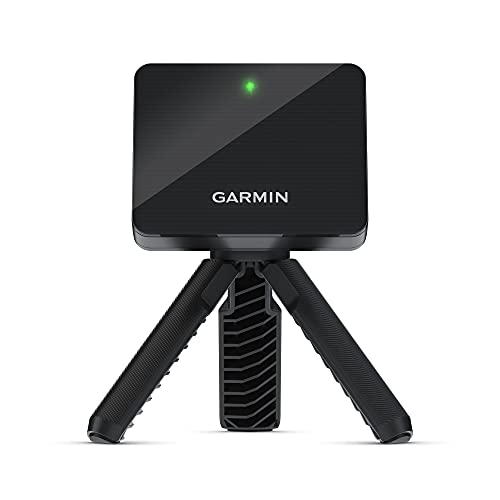
Garmin Approach R10 Portable Golf Launch Monitor
Doppler radar that tracks club and ball data through the Garmin Golf app, records swing video, and runs up to 10 hours per charge.

Rapsodo MLM2PRO Launch Monitor and Simulator
Combines doppler radar with a dual camera to add measured spin and slow-motion impact video, with bundled simulation play.

FlightScope Mevo Portable Personal Launch Monitor
Compact doppler radar that reports eight key metrics and slow-motion video, a trusted name in a pocketable take-anywhere body.

PRGR HS 130-A Portable Golf Launch Monitor
Pocket-size doppler radar that reads clubhead speed, ball speed, smash factor, and carry, with no app or subscription required.

Garmin Approach G80 GPS and Launch Monitor
All-in-one handheld combining course GPS for 42,000+ courses with a built-in radar that reads clubhead and ball speed on the range.

Voice Caddie SC200Plus Portable Launch Monitor
Standalone swing-track unit that calls out clubhead speed, ball speed, distance, and smash factor with voice output and no phone needed.
You can get real, useful launch data without spending five figures, but the budget tier comes with genuine tradeoffs. Almost everything under $1,000 is radar based, directly measures only a handful of parameters, and estimates the rest. That is fine for practice, club gapping, and casual simulator rounds, as long as you understand what you are and are not getting. This guide picks the strongest values and is upfront about the limits.
What you give up under $1,000
Before the picks, set expectations. Budget monitors share a few honest limitations, and knowing them up front saves disappointment.
- Fewer measured data points. Premium units measure spin, launch angle, and club path directly. Budget radar usually measures speed and a couple of values, then estimates the rest, so short-game and spin numbers wander.
- Space and conditions matter more. Radar units want several feet of ball flight to read each shot. A shallow indoor room shortens that window and hurts accuracy. Camera-assisted units like the MLM2PRO also want steady lighting.
- Limited simulator software support. Native GSPro or E6 Connect support is rare at this price. The Garmin R10 relies on a community bridge for GSPro, and pocket units do not drive a sim at all.
- App and subscription dependence. Some units lean on a phone app or a paid tier to unlock features, so factor that into the real cost.
None of this makes budget monitors a bad buy. It means you should match the unit to a realistic goal. Confirm your bay handles a radar sensor with our golf sim room size calculator, and see how the budget units stack up against pricier ones in our launch monitor comparison chart.
Quick comparison
| Monitor | Type | Best for | Price |
|---|---|---|---|
| Garmin Approach R10 | Radar + app | Best overall budget | $399.98 |
| Rapsodo MLM2PRO | Radar + camera | Spin data and video | $599.98 |
| FlightScope Mevo | Radar | Portable, trusted brand | Check Amazon |
| PRGR HS 130-A | Radar (pocket) | Lowest price, no app | $199.99 |
| Garmin Approach G80 | GPS + radar | Course GPS plus practice | $349.99 |
| Voice Caddie SC200Plus | Radar (pocket) | Voice feedback, standalone | $234.99 |
Amazon pricing shifts constantly, so treat these as a snapshot. The original FlightScope Mevo trades around without a fixed listing price, so check the current offer. Slot whichever unit you choose into your full build with our golf sim cost calculator.
Garmin Approach R10 (Best Overall)
The R10 is the budget benchmark for good reason. It tracks clubhead speed, ball speed, launch angle, spin estimate, and more through the Garmin Golf app, records swing video tied to each shot, and runs up to 10 hours per charge so it moves easily between the range and a home bay. It also gives you a path toward simulator play, including GSPro through a community bridge. As radar it wants ball-flight room and estimates several values, but no other sub-$500 unit packs this much capability.
Rapsodo MLM2PRO (Best Value)
The MLM2PRO steps up by pairing doppler radar with a dual camera, which lets it measure spin rather than estimate it and capture genuine slow-motion impact video. It bundles a simulation environment and Rapsodo's own practice modes, making it the most complete sub-$600 package for a golfer who wants to see and study real ball flight. It does lean on its app and benefits from steady lighting for the camera, but for the money it delivers data and features that punch above the price.
FlightScope Mevo (Best Portable)
The original FlightScope Mevo is the pocketable radar that put the brand on home golfers' radar. It reports eight key metrics including carry, clubhead speed, ball speed, and smash factor, plus slow-motion video, all from a small unit you can carry anywhere. It is a focused practice and feedback tool rather than a full simulator engine, and like any radar it wants flight room to read cleanly. For a trusted name in a take-anywhere body, it remains a solid budget portable.
PRGR HS 130-A (Best Budget)
The PRGR HS 130-A is the value champion for golfers who just want fast, reliable numbers. This pocket radar reads clubhead speed, ball speed, smash factor, and estimated carry with no app, no phone, and no subscription, you turn it on and hit. It will not drive a simulator or measure spin, but for range practice and tracking speed gains it is hard to beat at the price. If you want the essentials with zero setup friction, start here.
Garmin Approach G80 (Best Combo)
The G80 is a clever two-in-one: a full course GPS handheld for 42,000+ courses with a built-in radar that reads clubhead speed, ball speed, smash factor, and estimated distance on the range. For a golfer who plays real rounds and wants light practice feedback from one device, it removes the need to buy separate gadgets. It is not a simulator sensor and its data set is basic, but as a do-both tool for on-course and range use, it earns its spot.
Voice Caddie SC200Plus (Best Pocket)
The SC200Plus is a standalone swing-track unit that calls out your numbers out loud, no phone required. Set your target distance and it announces clubhead speed, ball speed, distance, and smash factor after each shot through a built-in speaker, which keeps your eyes on the ball. It is a pure practice device with a basic data set, but its simplicity and instant voice feedback make it a favorite for quick range sessions. For grab-and-go practice, it is genuinely handy.
How we chose
We did not test these units in person. We compared published manufacturer specifications, sensing type, which parameters are measured versus estimated, room and lighting needs, battery and connectivity, and simulator software compatibility, then weighed them against patterns in verified owner reviews and golf community consensus. Because this is the budget tier, we paid special attention to honest limitations, accuracy claims, app or subscription dependence, and whether a unit can realistically drive a home simulator or is a range-only practice tool.
We chose a spread that covers different goals: full-featured radar like the R10 and MLM2PRO for sim-curious buyers, and pocket units like the PRGR and Voice Caddie for pure range feedback. The right pick depends on whether you want to build toward indoor golf or simply track your speed and carry. Pricing and software support change often, so confirm current figures and compatibility before you buy.
Buying tips
Decide your goal first. If you want to build a home simulator, choose the Garmin R10 or Rapsodo MLM2PRO and confirm your bay has the ball-flight depth a radar needs using our room size calculator. If you only want range feedback, a pocket unit like the PRGR HS 130-A or Voice Caddie SC200Plus saves money and setup hassle. Then check software: if course play in GSPro matters, verify the current connection method, since budget radar often relies on unofficial bridges.
Finally, budget for the whole build, not just the sensor. A sub-$1,000 monitor frees up money for a better impact screen, projector, and enclosure, which do a lot for the experience. Map the full cost with our cost calculator, and if you are weighing the two value leaders head to head, our SkyTrak vs Garmin R10 comparison shows exactly what stepping up buys you.
Golf Sim Build Planner
Room-fit worksheet, gear checklist, budget tracker, and wiring and lighting plan, in one printable planner that takes your build from idea to first swing.
Frequently Asked Questions
What is the best golf launch monitor under $1,000?
For most buyers under $1,000, the Garmin Approach R10 is the best overall pick. It delivers radar tracking, app-based data, swing video, and long battery life for well under $500, with room to spare in the budget. If you want measured spin and impact video, the Rapsodo MLM2PRO adds a camera for a bit more. For the lowest price, the PRGR HS 130-A gives you reliable speed and carry numbers with no subscription.
What are the tradeoffs of a budget launch monitor?
Budget monitors directly measure only a few parameters and estimate the rest, so spin, launch angle, and short-game numbers drift more than on premium units. Most are radar based, so they want several feet of ball-flight room and good conditions to read cleanly. Many lean on a phone app, and software compatibility for full simulator play is limited or unofficial. Treat the data as a useful trend for practice and gapping rather than tour-grade precision.
Do cheap launch monitors work with GSPro or E6 Connect?
Support is limited at this price. The Garmin R10 can connect to GSPro through an unofficial community bridge rather than native integration, and the Rapsodo MLM2PRO offers its own simulation environment with some software partnerships. Pocket units like the PRGR HS 130-A and Voice Caddie SC200Plus are data-only devices and do not drive a full simulator. If course play in GSPro is your goal, confirm current compatibility before buying, since it changes often.
Do budget launch monitors need good lighting and space?
Radar units like the Garmin R10, FlightScope Mevo, and PRGR want several feet of ball flight to read each shot, so a shallow room hurts accuracy. They are less fussy about lighting than camera units but still prefer a clean background. The camera in the Rapsodo MLM2PRO benefits from steady, even lighting to capture spin. For any of these, confirm your bay depth with our room size calculator before counting on indoor accuracy.
Should I buy a pocket launch monitor or a radar like the R10?
Pocket units like the PRGR HS 130-A and Voice Caddie SC200Plus are excellent for range practice: they call out speed, smash factor, and carry instantly with no phone or setup. A radar like the Garmin R10 does more, adding app data, swing video, and a path toward simulator play, for a higher price. If you only want quick feedback on the range, go pocket. If you are building toward an indoor sim, choose the R10 or MLM2PRO.
Is a sub-$1,000 monitor enough for a home golf simulator?
Yes, with realistic expectations. A Garmin R10 or Rapsodo MLM2PRO can drive an enjoyable home simulator for practice and casual rounds, especially in a deep bay with good ball-flight room. You give up the spin precision and native software support of pricier units, and you may rely on community bridges for course play. For many golfers that tradeoff is worth saving thousands, leaving budget for a better screen, projector, and enclosure.
Building a golf sim?
Use our free calculators and guides to size the room, the gear, and the budget.
Build Planner: $39