SkyTrak+ Review (2026)
A research-based SkyTrak+ review for 2026: accuracy, room needs, software, subscriptions, and how this photometric mid-range benchmark compares to Bushnell and Garmin.
The SkyTrak+ is the launch monitor most home golfers should look at first. It pairs a photometric camera with Doppler radar to measure, rather than estimate, ball speed, launch, spin, and side angle, and it does so at a mid-range price that undercuts pro-grade units by thousands of dollars. Our verdict: for a dedicated home simulator, the SkyTrak+ delivers the best balance of accuracy, software support, and value in its class. Buyers wanting tour-level fitting data can step up to the Bushnell Launch Pro, while budget shoppers often cross-shop the radar-based Garmin Approach R10.
SkyTrak+ and Its Closest Alternatives

SkyTrak SkyTrak+ Launch Monitor
Dual photometric camera plus Doppler radar for measured ball and club data, the mid-range home-sim benchmark.

Bushnell Launch Pro Launch Monitor
Three-camera photometric unit with tour-level ball data, the natural step up if you want pro-fitting accuracy.
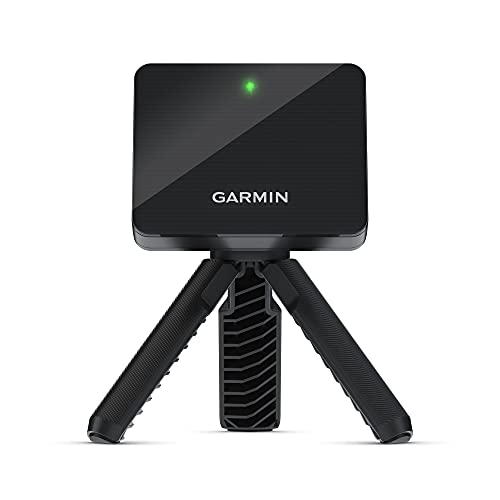
Garmin Approach R10 Launch Monitor
The budget radar darling: portable, affordable, and a common cross-shop for buyers weighing the SkyTrak+.
The verdict up front
The SkyTrak+ earns its reputation as the mid-range benchmark because it measures the data that matters with hybrid technology, then opens up to nearly every major simulator platform. It is not the cheapest launch monitor and it is not the most accurate, but it sits in the sweet spot where measured numbers, a light portable body, and a deep software ecosystem meet a price most serious home golfers can justify. If you are building a room around a single monitor and want to stop guessing about your numbers, this is the safe, smart default.
SkyTrak+ at a glance
| Spec | SkyTrak+ (approximate) |
|---|---|
| Technology | Photometric camera + Doppler radar (hybrid) |
| Measured ball data | Ball speed, launch angle, back spin, side spin, side angle, carry |
| Club data | Club head speed, smash factor, club path, face angle (paid plan) |
| Use | Indoor and outdoor |
| Placement | Beside the ball, low depth requirement |
| Battery | Around 5 hours rated |
| Software | SkyTrak app, GSPro, E6 Connect, TGC 2019, Awesome Golf |
| Price | Unit roughly $2,995 at typical retail; check live Amazon listing |
Treat every figure here as approximate. Specs and pricing shift with firmware updates, bundles, and subscription changes, so confirm current details with SkyTrak before you buy.
Accuracy and data
The core reason to buy the SkyTrak+ is that it measures spin and side angle instead of inferring them from a model. The photometric camera captures the ball at impact while the added Doppler radar reinforces spin and club readings, which is the headline upgrade over the camera-only original SkyTrak. In practice, verified owners report that carry distances and shot shapes line up closely with their real-world game, which is exactly what you want from a practice and simulation tool.
Be honest about the ceiling, though. This is a mid-range unit, not a quad-camera fitting system. If you need impact-location data for club fitting or the repeatability a teaching pro demands, a Foresight GCQuad or radar-based Trackman is a different tier at a much higher price. For dialing in gaps, grooving a swing, and playing simulator rounds that feel fair, the SkyTrak+ has more than enough fidelity. See how the numbers stack up on our launch monitor comparison chart.
Room, lighting, and setup
Because the SkyTrak+ leans photometric, it sits next to the ball and needs much less depth than a pure radar monitor that has to watch ball flight. That makes it a strong fit for garages and spare rooms where depth is tight. Plan for roughly 10 feet of width, 12 feet of depth, and 9 to 10 feet of ceiling for a comfortable full swing, and always test your own driver swing in the actual space first. Use our golf sim room size calculator to pressure-test your dimensions before you frame an enclosure.
Photometric units want consistent, even lighting to read the ball cleanly, so avoid harsh direct light or deep shadow across the hitting zone. Most owners pair the SkyTrak+ with a marked ball and a quality mat for the most consistent reads.
Software and subscriptions
Software is where the SkyTrak+ shines and where the costs hide. The unit runs free basic features, but club data and full simulator play live behind paid plans. The Game Improvement Plan unlocks club metrics and practice tools, and the Play and Improve plan bundles simulation and courses. Beyond SkyTrak's own app, it connects to GSPro, E6 Connect, TGC 2019, and Awesome Golf, so you are never locked into one ecosystem. Many owners start on the bundled software and add GSPro later for its large course library and active community.
Who it suits
The SkyTrak+ is built for the committed home golfer who wants measured accuracy without five-figure pricing. It suits players setting up a permanent simulator room, golfers who practice year round, and families sharing a single monitor across handicaps. It is also a sensible pick for anyone who wants room to grow into GSPro or E6 down the line.
It is less ideal if you only want occasional casual feedback, where the cheaper Garmin R10 may be enough, or if you specifically need club-fitting and impact-location data, where a quad-camera unit is the right tool.
Pros and cons
- Pros: Hybrid camera-plus-radar measures spin and side angle, broad software support, low depth requirement, light and portable, strong value for the accuracy.
- Cons: Key club data and simulation require paid subscriptions, photometric reads want good lighting, not a true club-fitting or tour-grade unit.
Alternatives to consider
The Bushnell Launch Pro is the obvious step up, a three-camera photometric system with tour-level ball data, though it costs more and gates club data and simulation behind subscription tiers. On the value end, the Garmin Approach R10 is the budget radar darling: a fraction of the price, genuinely portable, and a frequent cross-shop, but it estimates more and wants more ball-flight room indoors. For a deeper head-to-head, read our SkyTrak vs Garmin R10 comparison.
How we researched this review
We did not test the SkyTrak+ in person. This review is based on widely published manufacturer specifications and patterns across verified owner reviews, not a hands-on lab session. We compared the SkyTrak+ technology, measured data set, software compatibility, and room requirements against competing units, and we weighed the recurring themes owners raise about accuracy, subscriptions, and setup. Because specs, firmware, pricing, and subscription tiers change, treat all figures as approximate and confirm current details with SkyTrak before purchasing.
Buying tips
Budget for the subscription, not just the unit, since club data and simulation are where the SkyTrak+ becomes a full practice tool. Confirm your room can handle a full driver swing using the room size calculator before you buy an enclosure, plan for even lighting over the hitting zone, and decide early whether you want GSPro so you can size your computer accordingly. If accuracy at a fair price is the goal, the SkyTrak+ remains the one to beat in its class.
Golf Sim Build Planner
Room-fit worksheet, gear checklist, budget tracker, and wiring and lighting plan, in one printable planner that takes your build from idea to first swing.
Frequently Asked Questions
Is the SkyTrak+ accurate enough for a home simulator?
For the vast majority of home golfers, yes. The SkyTrak+ pairs a photometric camera with Doppler radar to measure ball speed, launch angle, spin, and side angle rather than estimating them, and verified owner reviews consistently report numbers that track well with on-course results. It is not a tour-fitting tool like a GCQuad or Trackman, but for practice, lessons, and simulator rounds it is widely regarded as the accuracy benchmark in its price class.
Does the SkyTrak+ need a subscription?
The unit works out of the box with basic range and bag-mapping features for free. Club data such as club head speed, smash factor, club path, and face angle, plus full simulator play, sits behind paid plans. The Game Improvement Plan adds club metrics and practice tools, while the Play and Improve plan bundles simulation software and courses. Pricing changes over time, so check SkyTrak's current tiers before buying.
How much room do I need for the SkyTrak+?
Because it is primarily photometric, the SkyTrak+ sits beside the ball and needs far less depth than a pure radar unit. A space around 10 feet wide, 12 feet deep, and 9 to 10 feet high handles most full swings comfortably, though you should always test your own driver swing before committing. Our golf sim room size calculator helps you confirm the dimensions for your space.
SkyTrak+ vs the original SkyTrak, what changed?
The SkyTrak+ adds Doppler radar alongside the upgraded photometric camera, which improves spin and club-data measurement and tightens consistency over the original camera-only SkyTrak. It also brings a more durable design and better indoor and outdoor performance. If you already own the original SkyTrak and only play indoors casually, the upgrade is optional, but new buyers should choose the Plus.
What simulator software works with the SkyTrak+?
The SkyTrak+ is broadly compatible. It runs SkyTrak's own app plus popular third-party platforms including GSPro, E6 Connect, TGC 2019, Awesome Golf, and The Golf Club, depending on your plan. That wide software support is a big part of its appeal, since you can start with the bundled experience and add GSPro later for a larger course library and active online community.
Should I buy the SkyTrak+ or save up for a Bushnell Launch Pro?
Choose the SkyTrak+ if you want measured camera-plus-radar accuracy at a mid-range price with broad software support. Step up to the Bushnell Launch Pro if you want tour-level photometric ball data and may later add club data and simulation tiers. The Launch Pro costs more and locks key features behind subscriptions, so the SkyTrak+ is the better value for most home buyers who want strong accuracy without the premium outlay.
Building a golf sim?
Use our free calculators and guides to size the room, the gear, and the budget.
Build Planner: $39