Best Golf Simulator Under $5,000 (2026)
The best golf simulator under $5,000 for 2026: a SkyTrak photometric build with short-throw laser projector, full enclosure, and PC, plus radar vs camera guidance.
The best golf simulator under $5,000 is built around the SkyTrak ST MAX, a photometric launch monitor with dual-Doppler radar that brings camera-grade accuracy within reach. Pair it with an Optoma GT2000HDR short-throw laser projector, a full Durbles enclosure with a premium impact screen, a GoSports Elite 5 by 5 ft mat, and a gaming PC, and the core stack lands near $4,900. The headline change from the $3,000 tier is the jump from radar to a camera-based monitor, which transforms spin and short-game readings. Here is the full build.
Best Golf Simulator Build Under $5,000

SkyTrak SkyTrak ST MAX Launch Monitor
Photometric ball reading with dual-Doppler radar for club data, the camera-grade accuracy that defines the $5,000 tier.
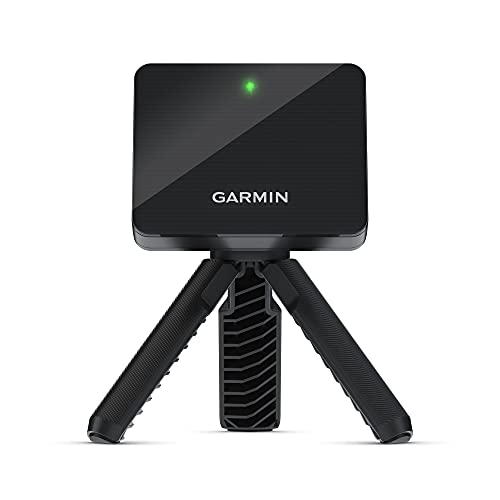
Garmin Approach R10 Portable Launch Monitor
The radar alternative if you want to spend less on the monitor and put more into the projector and PC.

Optoma GT2000HDR Short-Throw Laser Projector
A laser 1080p HDR projector with a short throw and no lamp to replace, brighter and crisper than entry-tier lamps.
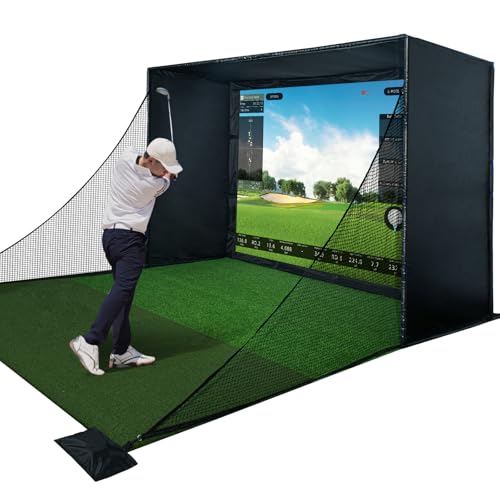
Durbles Golf Simulator Enclosure Kit (Premium Screen)
A full enclosure with a premium HD impact screen and complete safety netting, a sturdier bay than the budget tier.

GoSports Golf Hitting Mat, Elite 5 x 5 ft
A larger 5 by 5 ft pad that gives ambidextrous room and a forgiving 15 mm surface for high-volume practice.
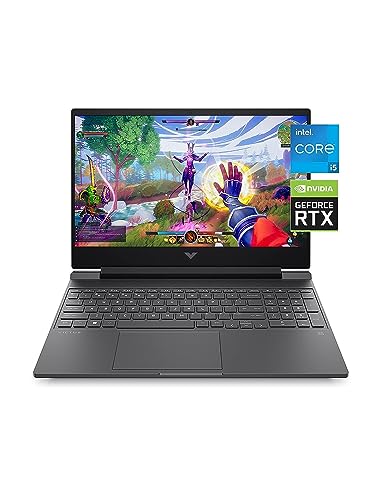
HP Victus 15 Gaming Laptop, RTX 3050
Drives GSPro and E6 Connect on the projector at solid settings while keeping the build under budget.
Spending up to $5,000 buys one thing above all: a better launch monitor. The SkyTrak+ class (here, the SkyTrak ST MAX) reads the ball with high-speed cameras at impact rather than tracking it through the air, so it captures spin directly and stays accurate on chips and pitches that frustrate radar units indoors. The added dual-Doppler radar handles club-head data. The projector, enclosure, mat, and PC step up to match, giving you a finished room rather than a starter kit.
The under-$5,000 build at a glance
| Component | Pick | Upgrade over the $3,000 tier | Price |
|---|---|---|---|
| Launch monitor | SkyTrak ST MAX | Photometric camera plus radar, not radar alone | $1,995.00 |
| Projector | Optoma GT2000HDR | Laser light source, HDR, no lamp swaps | $988.66 |
| Enclosure | Durbles full kit | Premium HD screen plus full safety netting | $999.99 |
| Hitting mat | GoSports Elite 5 x 5 ft | Larger, ambidextrous stance area | $199.99 |
| Computer | HP Victus 15 (RTX 3050) | Runs GSPro and E6 Connect | $739.99 |
| Value monitor swap | Garmin Approach R10 | Spend less here, more elsewhere | $399.98 |
The core hitting setup comes to about $4,920 before software. Remember that SkyTrak's full simulation features and GSPro both carry recurring license costs, so fold those into your plan with our golf simulator cost calculator before you commit.
SkyTrak ST MAX (Best Overall)
The ST MAX is the centerpiece and the reason this tier feels like a real simulator. As a photometric unit it photographs the ball at impact to measure ball speed, launch, and spin directly, then layers dual-Doppler radar on top for club-head speed and path. That combination is far more trustworthy on wedges and short shots than a radar-only budget unit, and it needs less depth behind the ball, which helps in shorter rooms. Plan for an annual software subscription for full course play, and see how it stacks up in our best launch monitors guide.
Optoma GT2000HDR (Best Projector)
Stepping up from a lamp-based projector to the GT2000HDR's laser light source means brighter, more consistent color and no lamp replacement over the life of the unit. It keeps a short throw so it clears your swing in a tight bay, and HDR gives course graphics more punch. Confirm the exact mount distance for your screen width with our projector throw calculator, and compare other options in our best golf simulator projectors roundup.
Durbles enclosure, GoSports mat, and PC
The Durbles kit moves you to a premium HD impact screen with full safety netting, a sturdier and quieter bay than the entry package. The GoSports Elite 5 by 5 ft mat adds room for both-handed practice and high-volume sessions on a forgiving 15 mm surface. The HP Victus laptop with an RTX 3050 remains a sensible PC at this budget, running GSPro and E6 Connect well at 1080p, though an RTX 4060 machine is the natural choice if you intend to push a 4K projector down the road. For more finished kits, see our best golf simulator packages guide.
How we chose
We did not set this build up in a test bay. We compared published manufacturer specifications, launch-monitor accuracy and sensor type, projector throw ratios and lumen output, screen and netting dimensions, and software compatibility, then weighed them against patterns in verified owner reviews on Amazon. We focused on parts that work together in a real room and carry forward into future upgrades.
We were honest about the SkyTrak class. It is a major accuracy upgrade over radar, but it still is not a $15,000 commercial unit, and its best features sit behind a subscription. We flagged that recurring cost rather than quoting hardware alone. Every figure here comes from manufacturer listings, so treat prices and specs as estimates and confirm your own room dimensions before buying.
Buying tips for a sub-$5,000 simulator
Put your money in the monitor first. At this budget the SkyTrak ST MAX is the single component that elevates the whole room, so resist the urge to downgrade it to fund a flashier projector. If you would rather spend less on the sensor, the Garmin R10 swap frees up roughly $1,600 you can redirect into a better PC or a larger enclosure.
Measure before you buy. A comfortable bay runs about 12 ft wide, 15 ft deep, and 10 ft tall, with 10 by 12 ft the workable minimum, and a full driver swing needs roughly 9 to 10 ft of ceiling. Photometric monitors forgive shallow rooms better than radar, but you still must clear your swing. Confirm the fit with our room size calculator, and budget for the annual software subscriptions that full simulation requires.
Golf Sim Build Planner
Room-fit worksheet, gear checklist, budget tracker, and wiring and lighting plan, in one printable planner that takes your build from idea to first swing.
Frequently Asked Questions
What is the best golf simulator you can build for under $5,000?
A SkyTrak ST MAX launch monitor anchors the best sub-$5,000 build, paired with a short-throw laser projector, a full enclosure with a premium impact screen, a 5 by 5 ft mat, and a gaming PC. The core stack lands near $4,900. The big upgrade over the $3,000 tier is moving from radar to a photometric (camera) launch monitor, which sharpens spin and short-game readings dramatically.
Why does a photometric monitor like SkyTrak matter at this budget?
Radar units read the ball after impact and need flight room, so wedges and chips can read inconsistently indoors. Photometric units use high-speed cameras to photograph the ball at impact, capturing spin and launch directly. That makes short-game and indoor accuracy noticeably better. The SkyTrak ST MAX adds dual-Doppler radar for club-head data on top of the camera, giving you both worlds, which is why it defines the $5,000 class.
Is the SkyTrak+ class worth the jump from a Garmin R10?
If you mostly play full-swing rounds, the R10 is hard to beat for value. If you want trustworthy spin numbers, realistic short-game shots, and tighter shot-to-shot consistency, the SkyTrak ST MAX or SkyTrak+ class is a clear step up. Most golfers who get serious about indoor practice make this jump first, before spending more on the projector or PC, because the monitor drives everything downstream.
Do I need a subscription to use SkyTrak for simulation?
SkyTrak's range and basic practice modes work without a subscription, but full simulator play with course libraries and game improvement features typically requires SkyTrak's Play and Play Plus tiers. It also connects to GSPro and E6 Connect, which carry their own licensing. Budget for an annual software cost on top of the hardware, and our cost calculator lets you fold that recurring number into the total.
What computer do I need for a $5,000 simulator?
GSPro and E6 Connect run on Windows with a dedicated GPU. An RTX 3050 laptop like the HP Victus handles them at solid settings on a 1080p projector and keeps the build under budget. If you plan to push a 4K projector or maximum graphics later, step up to an RTX 4060 machine. The PC carries forward through future upgrades, so it is a reasonable place to spend a little more if the budget allows.
What room size suits this build?
Aim for about 12 ft wide, 15 ft deep, and 10 ft of ceiling for a comfortable bay, with 10 ft wide by 12 ft deep the workable minimum. Photometric monitors like SkyTrak need less depth behind the ball than radar, which helps in shorter rooms, but you still want clearance for a full driver swing. Test your own swing in the space and confirm fit with our room size calculator.
Building a golf sim?
Use our free calculators and guides to size the room, the gear, and the budget.
Build Planner: $39