Outdoor & Garage-Door Golf Simulator Setups
Build an outdoor or garage-door golf simulator: beat sunlight, go screen-free with a portable monitor, weatherproof your gear, and keep the kit portable and stored.
Taking a golf simulator outdoors trades the controlled room of a garage or basement for fresh air, real space, and the freedom to hit in a backyard or on a patio. The catch is one big physics problem: sunlight destroys a projector image. Every successful outdoor build either encloses and darkens the space, like a shed or a closed garage-door bay, or skips the projector entirely and goes screen-free with a portable launch monitor and a sunlight-readable display. This guide covers both paths, plus weatherproofing, storage, and keeping the kit portable.
Portable & outdoor shopping list
A screen-free, store-it-inside kit built around a radar monitor that works in daylight.
-
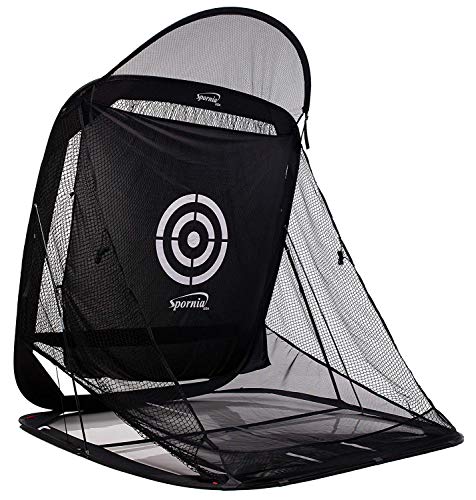 Portable net Spornia Spornia SPG-7 Golf Practice Net
Pop-up net with an automatic ball return, angled target, side barriers, and a roof that folds down for storage between outdoor sessions.
-
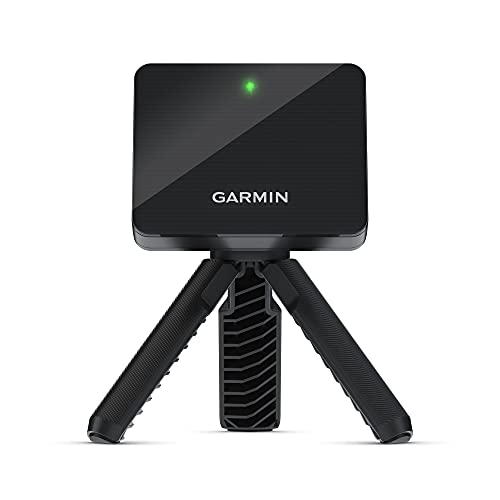 Launch monitor Garmin Approach R10 Portable Golf Launch Monitor
A pocket-sized radar monitor that thrives outdoors where open air gives it room to read each shot, running up to 10 hours per charge.
-
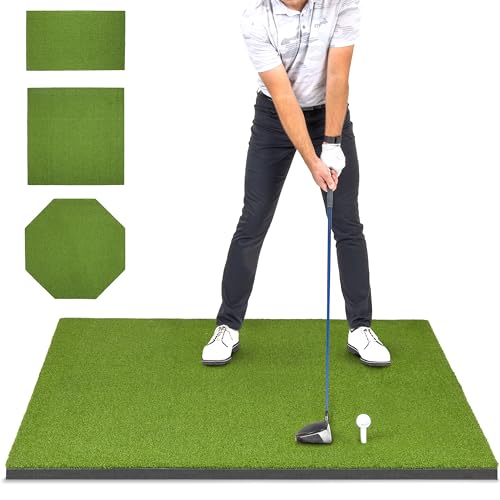 Outdoor mat GoSports GoSports Elite 5'x4' Golf Hitting Mat
A full-stance turf pad rated for indoor or outdoor use that keeps a patio or slab from punishing your joints, then stores away after play.
-
 Packable mat Rukket Sports Rukket Tri-Turf Hitting Mat Attack
A compact three-surface mat with fairway, rough, and tee sections plus a rubber tee, the packable add-on for backyard and travel sessions.
Prices update on Amazon and change often. As an Amazon Associate we earn from qualifying purchases at no extra cost to you.
The sunlight problem comes first
A projector works by adding light to a screen, and it only looks good when the projected picture is far brighter than the surrounding room. Outdoors, the sun overwhelms that contrast, and even a high-lumen projector leaves a faint, washed-out image on a standard impact screen. You cannot practically out-shine the sun. So the very first decision for any outdoor build is whether you can control the light or whether you will design around it.
That single choice splits outdoor setups into two camps. The first encloses the space, a shed, a covered patio you can curtain off, or a garage-door bay with the door down, so a projector can work in shade or darkness. The second goes screen-free, using a portable launch monitor that feeds your numbers and a simulated ball flight to a tablet or a sunlight-readable monitor while you hit into a net or open air. Both are valid; they just serve different goals.
Patios, sheds, and garage-door bays
Each outdoor location has a personality. A patio is the most open and the most exposed to sun and weather, which makes it the natural home for a portable, screen-free setup you tear down after each session. A shed or outbuilding can be enclosed and darkened, turning it into something close to an indoor room with the bonus of separation from the house, though you still must manage moisture and ceiling height. A garage-door bay is the flexible middle ground.
| Location | Best approach | Main challenge |
|---|---|---|
| Open patio | Screen-free, portable monitor | Sun, weather, no light control |
| Shed or outbuilding | Enclosed, darkened, projector | Moisture, ceiling height |
| Garage-door bay | Either, door up or down | Light control, ball containment |
The garage-door bay deserves special mention because it is so adaptable. With the door rolled up you get ventilation and daylight for a screen-free, monitor-based session. With the door down and the lights managed, the same bay becomes a darkened room where a projector and screen look clean. It gives you outdoor airflow when you want it and indoor control when you need it. Whatever the location, confirm your swing clearance and hitting zone with our golf sim room size calculator before you set up.
Going screen-free outdoors
For most true outdoor setups, screen-free is the smart play. Instead of fighting the sun for a projected image, you hit into a net or open space while a portable launch monitor reads each shot and sends the data and a simulated ball flight to a tablet or a sunlight-readable monitor. You lose the immersive wall-sized course view, but you gain a setup that actually works in daylight, packs down small, and never leaves expensive electronics out in the weather.
A radar or doppler monitor like the Garmin R10 suits outdoor use well because open air gives it the ball flight room it wants to read shots, and there are no walls to crowd it. Pair it with a folding net or mat and a bright, glare-resistant screen for your numbers, and you have a genuinely portable practice station. Compare your options in our best launch monitors guide, and pick a forgiving strike surface from the best golf hitting mats roundup so a patio or slab does not punish your joints.
If you want a projector outdoors
You can run a projected image outdoors, but only by creating an indoor-like environment. That means an enclosed, darkened structure: a shed you can black out, a covered patio with blackout curtains on the open sides, or a garage-door bay with the door down. Inside that controlled space, a bright projector and a quality impact screen behave just as they would indoors. Match the projector to your throw distance using the best golf simulator projectors guide, favoring a short-throw model if it must clear your swing. Outside of a darkened enclosure, though, a projector is the wrong tool, and a portable monitor is the better choice.
Weatherproofing the gear
Nothing in a simulator kit is built to live outside. Launch monitors, computers, projectors, and even hitting mats degrade in sun, rain, and temperature swings. The simplest rule is that electronics come indoors or into a sealed, padded case the moment you finish. Keep the hitting mat and turf off wet ground, and store everything dry between sessions.
For a permanent covered bay or shed, treat it like a small building: seal it against rain, add ventilation or a dehumidifier to fight moisture, and use weather-rated materials for anything that stays put. Heat is a real risk too, since a closed structure in summer sun can cook a projector, so plan airflow or cooling if the space holds gear. Build a realistic budget for the structure plus the components with our golf sim cost calculator so the protective extras do not surprise you.
Storage and portability
The defining trait of a good outdoor setup is that it stores easily. Design the kit so it breaks down fast and lives indoors: a folding net or mat, a small case for the launch monitor and cables, and a tablet or monitor that slips onto a shelf. The less you leave outside, the longer everything lasts and the more often you will actually use it, because setup that takes two minutes gets used and setup that takes twenty does not.
Whether you choose a screen-free patio station, a darkened shed, or a flexible garage-door bay, plan around the sun first and the gear second. Control the light or design around it, keep the electronics protected and stored, and you will have an outdoor practice space you reach for all season.
Golf Sim Build Planner
Room-fit worksheet, gear checklist, budget tracker, and wiring and lighting plan, in one printable planner that takes your build from idea to first swing.
Frequently Asked Questions
Can you use a golf simulator outdoors?
Yes, but sunlight changes the plan. A projector and impact screen need a dark, controlled space to look good, and outdoor ambient light washes the image out badly. The practical outdoor approaches are either an enclosed shed or covered garage-door bay where you can block light, or going screen-free with a portable launch monitor and a tablet or sunlight-readable monitor showing your data and ball flight instead of a projected picture.
Why does sunlight ruin a projector golf simulator?
Projectors create an image by adding light to a surface, so they rely on contrast between the bright projected picture and a dark room. Outdoors, sunlight floods the screen and overwhelms that contrast, leaving a faint, washed-out image even with a bright projector. There is no practical way to out-shine the sun on a standard impact screen. That is why outdoor builds either enclose and darken the space or skip the projector entirely.
How do I weatherproof an outdoor simulator?
Treat every component as needing protection from sun, moisture, and temperature swings. Bring electronics like the launch monitor, computer, and projector indoors or into a sealed case when not in use, since none are built to live outside. Use weather-rated or covered structures, keep the hitting mat and turf off wet ground, and store everything dry. For a permanent covered bay, seal the structure and add a dehumidifier or good ventilation to fight moisture.
What is a garage-door golf simulator bay?
It is a setup built just inside an open garage door or a dedicated covered bay, so you swing toward the screen with the door rolled up for ventilation and natural daylight, or rolled down for a darker projector image. It blends indoor protection with outdoor airflow. The key is controlling light: open for a screen-free, monitor-based session, or closed with the lights managed for a clean projected picture.
Can I make an outdoor simulator portable?
Yes, and portability is often the point outdoors. A portable launch monitor, a folding hitting mat or net, and a tablet or sunlight-readable monitor pack down into a compact kit you can set up on a patio and store inside afterward. This screen-free approach sidesteps the sunlight problem entirely and protects your electronics, since nothing stays outside. It trades the immersive projected course for clean data and a real ball flight outdoors.
Do I need a screen for an outdoor golf simulator?
Not necessarily. Outdoors you can go screen-free by hitting into a net or open space while a portable launch monitor feeds data and simulated ball flight to a tablet or a sunlight-readable monitor. This avoids the washed-out projector image that sunlight causes and keeps your kit simple and storable. If you want a full projected course outdoors, you need an enclosed, darkened structure like a shed or a closed garage-door bay.
Building a golf sim?
Use our free calculators and guides to size the room, the gear, and the budget.
Build Planner: $39