The One Big Golf Simulator Gift (2026): Best Golf Gifts Over $200
The eight big-ticket pieces that define a home golf simulator, from the Foresight GC3 and SkyTrak ST MAX to the Garmin R10 and a short-throw laser projector, matched to the recipient's room depth, ceiling and level, with the calculators to check the fit before anything ships.
Some people would rather give one gift that matters than ten that fill a stocking. In a golf simulator that is the right instinct, because the bay is made of a small number of large parts and the one it is missing is obvious once you know how to look. This guide is that look: eight big-ticket pieces, which room and which owner each is for, the depth and ceiling it needs, and the calculator that checks it before anything arrives. It is ordered by how often the piece is the missing one, which is why the launch monitors come first and the projector comes after them even though the projector is the more visible box. If you know the bay, pick the row that matches it; if you do not, the SkyTrak ST MAX is the safe pick because it works in short rooms and deep ones.
Quick picks by recipient
One pick per kind of recipient, with the reasoning further down.
| For | Pick |
|---|---|
| The bay built around a Garmin R10 or a pocket unit that is ready for better data | SkyTrak ST MAX Launch Monitor |
| The owner who wants fitting-grade numbers in a bay that is short on depth | Foresight Sports GC3 Launch Monitor (rangefinder bundle) |
| A first complete bay for someone starting from a bare room | SkyTrak ST MAX Standard Studio Package |
| The owner with a good bay and a launch monitor they have outgrown | Bushnell Launch Pro, Circle B Edition |
| The bay still playing on a TV, or on a lamp projector that casts a shadow on | Optoma GT2400HDR Short Throw Laser Projector |
| A deep garage or basement bay with 8 ft or more of ball flight to the screen | FlightScope Mevo Gen2 Launch Monitor |
| A short bay, 12 ft deep or less | Uneekor EYE MINI CORE Launch Monitor |
| The golfer with a net and a mat and no numbers yet | Garmin Approach R10 Launch Monitor |
Shipping note: Order early for the holidays; popular items sell out around Black Friday. Enclosures, screens and launch monitors ship in large boxes and can take longer to arrive, so leave extra time for those.
Start with the room, not the catalogue
A home simulator is built in a predictable order, and the build guide lays it out: something to hit into, a mat, a launch monitor, then a projector and a PC to turn the numbers into a course. Almost everyone stops somewhere on that list, and the big gift is the next item on it. So the first step is to find out where they stopped, which a photo of the bay answers. Then measure three things:
- Depth, from the hitting position to the screen or net. This decides radar versus photometric. Radar units want roughly 6 to 8 feet of ball flight; photometric units sit beside the ball and need almost none. The room size calculator returns a verdict for a specific room, and the will it fit finder lists common room sizes with the gear that suits each.
- Ceiling, for the swing and the enclosure. A full driver swing wants about 9 feet and is comfortable at 10; under 8.5 feet is irons-only territory. The ceiling height chart lists what each height allows, and the ceiling height guide covers the workarounds.
- Lighting and the side, for a photometric unit. Camera units want the hitting area lit evenly, and they sit on one side of the ball, so a left-handed golfer needs the unit set up for it.
The eight gifts, matched to the room
| The bay they have | The big gift | Needs |
|---|---|---|
| Everything, and they talk about fittings | Foresight GC3 | Even light; any depth |
| A room and no simulator | SkyTrak ST MAX Standard Studio Package | 10 by 15 ft, 10 ft ceiling |
| A good bay, a launch monitor they have outgrown | Bushnell Launch Pro | Even light; any depth |
| An R10 or a pocket unit, room of any depth | SkyTrak ST MAX | Any depth |
| A good launch monitor and a TV | Optoma GT2400HDR | About 5 ft of throw for a 10 ft image |
| A deep garage, and range days | FlightScope Mevo Gen2 | 8 ft or more of ball flight |
| A short basement, 12 ft deep or less | Uneekor EYE MINI CORE | Even light; short depth is fine |
| A net, a mat and no numbers yet | Garmin Approach R10 | 6 to 8 ft of ball flight to the net |
The one big gift
 The big gift $5,000+ Foresight Sports GC3 Launch Monitor (rangefinder bundle) Three high-speed cameras reading the ball and, with the club add-on, the club, from a unit that sits beside the ball and needs almost no flight room. The GC3 is the launch monitor the recipient has been reading about, and it comes with no software subscription for the core data. Give it to: The owner who wants fitting-grade numbers in a bay that is short on depth. Check first: Photometric, so it wants even lighting on the hitting area. Marked balls are not required. Check price on Amazon
  The big gift Under $5,000 SkyTrak ST MAX Standard Studio Package The same ST MAX launch monitor with the standard enclosure, screen and mat. It skips the premium screen and the extras of the Ultimate package and keeps the part that matters, a bay whose pieces were matched by the maker rather than by trial and error. Give it to: A first complete bay for someone starting from a bare room. Check first: Measure the room against the enclosure footprint before ordering; the room size calculator has the numbers. Check price on Amazon
  The big gift Under $5,000 Bushnell Launch Pro, Circle B Edition Camera-based ball and club data from the same photometric family as the GC3, at a lower entry price with a subscription for the full data set. It is the unit most owners of a mid-range bay upgrade to when they stop trusting their numbers. Give it to: The owner with a good bay and a launch monitor they have outgrown. Check first: Photometric units sit beside the ball, so confirm which side the recipient hits from. Check price on Amazon
  The big gift Under $2,000 SkyTrak ST MAX Launch Monitor Dual Doppler radar plus photometric cameras in one unit, with a year of software included, so the recipient can play courses from the day it arrives. The step up from an entry radar unit that owners notice most on spin and short-game numbers. Give it to: The bay built around a Garmin R10 or a pocket unit that is ready for better data. Check first: Confirm the software the recipient runs (GSPro, E6 Connect) is on the supported list. Check price on Amazon
 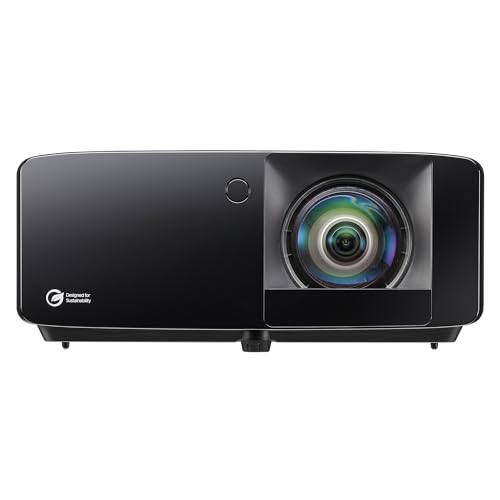 The big gift Under $1,500 Optoma GT2400HDR Short Throw Laser Projector A 4,200 lumen laser short-throw with a 0.5:1 throw ratio, which puts a 10 ft wide image on the screen from about 5 ft back, clear of the swing. Laser means no lamp to replace and full brightness in a garage that will not go fully dark. Give it to: The bay still playing on a TV, or on a lamp projector that casts a shadow on every drive. Check first: Run the screen width through the projector throw calculator to confirm the mount position. Check price on Amazon
  The big gift Under $1,500 FlightScope Mevo Gen2 Launch Monitor Fusion Tracking radar with a camera assist, 18 data points and a shot tracer, in a portable unit the recipient can also take to the range. Radar wants ball flight, so this is the gift for the bay with depth to spare. Give it to: A deep garage or basement bay with 8 ft or more of ball flight to the screen. Check first: Radar units need ball flight room; check the depth before choosing this over a photometric unit. Check price on Amazon
 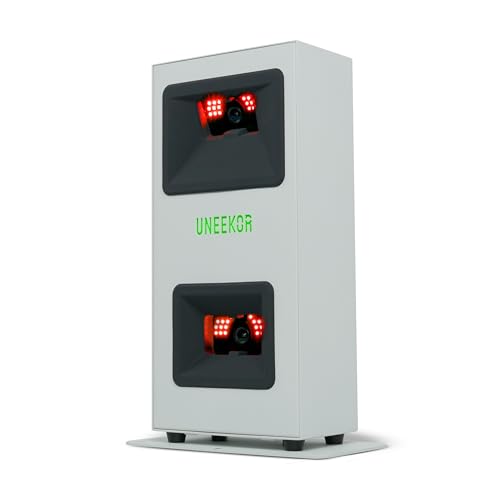 The big gift Under $1,500 Uneekor EYE MINI CORE Launch Monitor Fifteen ball data points from a compact photometric unit with no marked balls required, and club data available as a software upgrade later. The tidy answer for a small room where a radar unit would never see enough flight. Give it to: A short bay, 12 ft deep or less, where photometric is the only tracking that works. Check first: Club data is a paid upgrade; the core unit reads the ball only. Check price on Amazon
 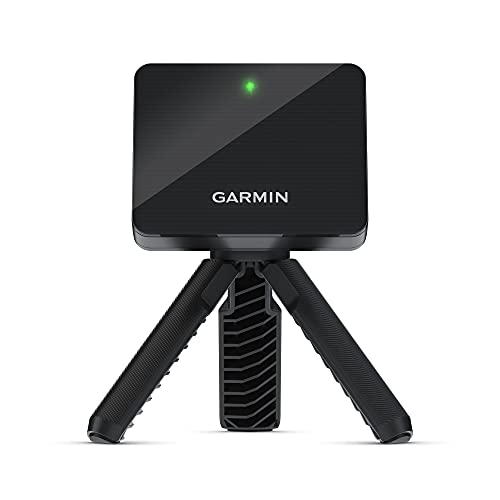 Mid-range Under $500 Garmin Approach R10 Launch Monitor The radar unit that made home launch data affordable: club and ball speed, launch angle, and course play through the app. The right first launch monitor, and the gift that starts a simulator in a house that does not have one. Give it to: The golfer with a net and a mat and no numbers yet. Check first: Radar; it wants about 6 to 8 ft of ball flight to the net, so a short bay is a poor fit. Check price on Amazon
 The photometric units: for the bay that is short on depth
Most home bays are short, because most home bays are basements and single garage stalls, and a camera-based unit is the launch monitor that works in them. It sits beside the ball, reads the ball at impact with high-speed cameras, and does not care how far the ball flies before the screen stops it. The trade is lighting: the cameras want the hitting area lit evenly, which the lighting guide shows how to do for very little. The Foresight GC3 is the top of this family, three cameras reading ball data with no subscription for the core numbers and club data available as an add-on; it is the gift for the owner who wants the unit fitters use. The Bushnell Launch Pro is the same photometric family at a lower entry price with a subscription for the full data set, and it is the unit most owners of a mid-range bay upgrade to when they stop trusting their numbers. The Uneekor EYE MINI CORE is the compact answer for the shortest rooms, reading fifteen ball data points without marked balls, with club data as a paid upgrade later. Our reviews of the GC3, the Launch Pro and the EYE MINI CORE go through the data each one reads, and the accuracy chart puts them side by side.
The dual unit: for the room you are not sure of
The SkyTrak ST MAX combines dual Doppler radar with photometric cameras, which is why it is the safe pick when you do not know the bay. In a short room the cameras do the work; in a deep one the radar adds ball flight. It ships with a year of software, so the recipient plays courses the day it arrives, and it is the step up from a Garmin R10 or a pocket unit that owners notice most on spin and short-game numbers. The ST MAX review covers what the software year includes, and the SkyTrak vs Garmin R10 comparison is the page to read if the recipient already has the R10 and you want to know what changes. For the owner with a room and no simulator at all, the ST MAX Standard Studio Package ships the same unit with an enclosure, an impact screen and a mat matched to each other, which solves the problem a first-time builder has. The best packages guide and the studio package review list exactly what is and is not in the box; a projector and a PC are not.
The radar units: for the bay with depth
Radar reads the ball in flight, so it wants flight. The makers publish a minimum ball-to-screen distance in the 6 to 8 foot range, and a bay that cannot give it will read short shots and miss some, which is the complaint behind half the visits to our not reading shots page. Give radar to a deep garage, or to the owner who also wants to take the unit to the range. The FlightScope Mevo Gen2 is the better of the two here, with Fusion Tracking that adds a camera assist to the radar, 18 data points and a shot tracer; our Mevo Gen2 review is honest that it still needs flight indoors. The Garmin Approach R10 is the entry unit that made home launch data affordable, and it is the big gift for the golfer with a net and a mat and no numbers yet; the R10 review covers the depth it wants and the app it runs. The best launch monitors under $1,000 roundup ranks the alternatives at that price, and the launch monitor vs net comparison is for the buyer who is not sure the recipient wants numbers at all.
The projector: for the bay that already has its numbers
If the recipient has a good launch monitor and watches it on a TV beside the screen, or on a lamp projector that throws their shadow across the fairway on every drive, the big gift is the picture. The Optoma GT2400HDR is a 4,200 lumen laser short-throw with a 0.5:1 throw ratio, which puts a 10 foot wide image on the screen from about 5 feet back, clear of the swing, and a laser light source means full brightness in a garage that will not go fully dark and no lamp to replace. Run the recipient's screen width through the projector throw calculator to confirm the mount distance, read the projector setup guide for where it hangs, and give it with a proper ceiling mount from the projector mounts guide. The best projectors roundup covers the alternatives, and the shadows help page explains why the throw ratio is the number that matters.
Giving it around Black Friday
The big pieces in this guide are the ones people wait on, and the wait is reasonable: launch monitors, studio packages and short-throw projectors are the categories to watch. We do not know which models will be marked down this year, and we will not guess at discounts. The sensible plan is to settle the room first, since a radar unit in a short bay is a bad gift at any price, then set a ceiling for the one piece and check price the day you buy. Read the Garmin R10 vs SkyTrak vs Mevo Gen2 comparison if the choice is between those three, and run the recipient's measurements through the Build Your Sim Bay tool for a matched parts list before you buy. Returns on big items are easier to arrange when you have the receipt and the box, so keep both until the room has tried it.
Which one, in one paragraph
A room and no simulator: the ST MAX Standard Studio Package, once the room passes at 10 by 15 feet with a 10 foot ceiling. A net and no numbers: the Garmin R10 if there is 6 to 8 feet of flight to the net. An R10 and a proper bay: the SkyTrak ST MAX in any room, or the EYE MINI CORE in the shortest ones. A deep garage and range days: the Mevo Gen2. A mid-range bay ready for camera data: the Launch Pro. Everything already there and a taste for fittings: the GC3. A good launch monitor and a TV: the GT2400HDR. If the budget does not reach any of these, the mid-range tier of gifts for golf simulator owners has the enclosure, the mat and the affordable projector, and golf simulator gifts under $50 has the lighting and consumables that get used most. To see what each level of bay costs in full, the cost breakdown lists every part with its price range, and the cost calculator totals a specific build.
Black Friday: Black Friday golf simulator deals
Frequently Asked Questions
What is the one big gift for someone with a golf simulator?
The launch monitor, matched to the room. The launch monitor is the simulator; the screen, mat and projector only show what it reads, so the upgrade the owner feels most is the one that changes the numbers. For a short bay it is a photometric unit like the SkyTrak ST MAX, the Bushnell Launch Pro or the Uneekor EYE MINI CORE; for a deep bay it can be radar like the FlightScope Mevo Gen2; for the owner who wants fitting-grade data it is the Foresight GC3. For a room with no simulator at all, it is a complete studio package. The measurement decides it, not the price.
How do I check the room before buying a launch monitor as a gift?
Measure three things: the depth from the hitting position to the screen or net, the ceiling, and the width. Radar units want roughly 6 to 8 feet of ball flight to the screen, per their makers' setup guidance; photometric units sit beside the ball and need almost none. A full driver swing wants about 9 feet of ceiling and is comfortable at 10. A bay that is 10 feet wide and 12 feet deep is a workable minimum; 12 by 15 with a 10 foot ceiling is comfortable; a both-handed bay wants 15 feet of width or more. Our room size calculator gives a verdict for a specific room.
Radar or photometric: which is the better gift?
Photometric for most home bays, because most home bays are short. A camera unit reads the ball at impact from beside the mat, so it works in a 12 foot basement where a radar unit would never see enough flight, and the trade is that it wants even lighting on the hitting area. Radar is the better gift for a deep garage or an owner who also wants to take the unit to the range. The SkyTrak ST MAX does both, which is why it is the safe pick when you are not sure of the room.
Is a complete simulator package a good gift for someone with no simulator?
Yes, once the room is measured, because the package solves the problem a first-time builder has: matching a launch monitor, enclosure, screen and mat that work together. The SkyTrak ST MAX Standard Studio Package ships all four. What it does not ship is a projector or a PC, so the gift is the first half of a build, and the recipient should know that. A room of about 10 by 15 feet with a 10 foot ceiling fits it comfortably.
What if they already have a good launch monitor?
Then the big gift is the picture. A bay with a good launch monitor and a TV beside the screen, or a lamp projector that throws a shadow across every drive, is transformed by a short-throw laser projector with a throw ratio around 0.5:1, which fills a 10 foot screen from about 5 feet back, clear of the swing. Run the recipient's screen width through our projector throw calculator to confirm the mount distance, and give it with a proper ceiling mount.
Building a golf sim?
Use our free calculators and guides to size the room, the gear, and the budget.
Build Planner: $39